 Skip to content
Depression in Working Professionals
Depression in Working Professionals In today’s competitive corporate culture, long working hours, constant deadlines, and performance pressure have become “normal.” But beneath this routine lies a growing concern: Depression in Working Professionals. Unlike obvious emotional breakdowns, workplace depression often develops quietly. Many professionals continue performing their daily tasks while internally struggling with overwhelming thoughts, exhaustion, and emotional numbness. Because these symptoms are subtle, they’re frequently ignored—until they begin to affect productivity, relationships, and overall mental health. Let’s explore the subtle signs of depression, why working professionals are at higher risk, and what you can do if you or someone you know may be affected. Why Depression Is Rising Among Working Professionals Modern workplaces demand constant availability—emails after office hours, tight targets, and minimal downtime. Over time, this pressure creates chronic stress, which can evolve into workplace depression. Some common contributing factors include: Long working hours Job insecurity Toxic work environments Lack of recognition Poor work-life balance Financial pressure Social isolation Many professionals assume feeling drained or unmotivated is simply “part of the job.” Unfortunately, this mindset delays seeking help and worsens emotional burnout. Subtle Signs of Depression You Shouldn’t Ignore Depression doesn’t always look like sadness or tears. Often, it hides behind productivity and professionalism. Here are some early signs of depression in working professionals: 1. Constant Fatigue Even After Rest Feeling tired after work is normal. But persistent exhaustion—even after weekends or holidays—can be a red flag. Depression affects sleep quality, making rest ineffective. If you’re waking up tired every day, it may be more than physical fatigue—it could be linked to mental health issues. 2. Loss of Interest in Work or Life A gradual loss of enthusiasm for tasks you once enjoyed is one of the most common signs of depression. This may show up as: Reduced motivation Procrastination Feeling emotionally detached You might still meet deadlines, but the passion is gone. 3. Difficulty Concentrating or Making Decisions Depression impacts cognitive function. You may notice: Forgetfulness Trouble focusing Overthinking simple decisions These symptoms are often mistaken for stress or burnout but may point to depression symptoms. 4. Increased Irritability or Emotional Sensitivity Small inconveniences suddenly feel overwhelming. You may become more impatient with colleagues or family members or feel emotionally fragile without knowing why. Mood swings are frequently overlooked indicators of depression in professionals. 5. Changes in Appetite or Weight Eating too much or too little—without a conscious reason—can signal emotional distress. Sudden weight changes often accompany mental health disorders. 6. Social Withdrawal Avoiding team lunches, skipping meetings, or isolating yourself from friends can be subtle but serious warning signs. Depression often convinces people they’re better off alone. 7. Physical Symptoms Without Clear Medical Cause Headaches, body aches, digestive issues, or chest discomfort sometimes stem from psychological stress. When medical tests show nothing, emotional health should be considered. Depression vs Burnout: What’s the Difference? Burnout usually improves with rest or time off. Depression doesn’t. Burnout is job-specific, while depression affects every area of life—relationships, sleep, self-esteem, and motivation. If symptoms persist for weeks despite taking breaks, professional support is essential. Why Working Professionals Avoid Seeking Help Many professionals hesitate to talk about mental struggles due to: Fear of appearing weak Workplace stigma Career concerns Lack of awareness But untreated depression can lead to serious consequences including chronic anxiety, substance dependency, and long-term health problems. Addressing mental health at work is not weakness—it’s responsibility. What You Can Do If You Notice These Signs Acknowledge the Problem The first step is awareness. Accepting that something isn’t right opens the door to healing. Talk to Someone You Trust Sharing your feelings with a close friend, family member, or colleague can provide immediate emotional relief. Seek Professional Support A licensed counselor or psychologist can help you understand your emotions and develop coping strategies. Early intervention makes recovery faster and easier. Prioritize Self-Care Small daily habits make a big difference: Regular exercise Proper sleep Balanced meals Limiting screen time Mindfulness or meditation These practices support emotional resilience. Set Boundaries at Work Learn to say no when necessary. Protect your personal time. A healthy work-life balance is essential for preventing depression in working professionals. Supporting Mental Health in the Workplace Organizations also play a vital role. Encouraging open conversations, offering wellness programs, and creating psychologically safe environments help employees feel supported and valued. Healthy employees are productive employees. Final Thoughts Depression in Working Professionals is more common than we realize—but it doesn’t have to control your life. If you recognize any of these signs of depression, don’t ignore them. Early support can restore clarity, confidence, and emotional balance. Your career matters—but your mental health matters more.
Digital Detox : 5 signs your phone is hurting your Mental health
We live in a hyper-connected world where our phones rarely leave our hands. From scrolling social media to constant notifications, digital exposure has become nonstop. While technology is useful, excessive use can quietly affect emotional balance, focus, sleep, and relationships. A digital detox for mental health is no longer a luxury — it is becoming a necessity. But how do you know when your phone habits are crossing the line? Here are five important signs to watch for — and how professional support from Beautiful Minds can help you regain control. 1. You Feel Anxious Without Your Phone If being away from your phone makes you restless, irritable, or distracted, it may signal digital dependency. Many people experience discomfort when they cannot check messages or updates. This constant need for connection can increase stress levels and reduce your ability to relax. Professional mental health support can help identify the emotional triggers behind this dependence and build healthier coping patterns. 2. Your Screen Time Is Affecting Your Sleep One of the most common screen time impacts is poor sleep quality. Late-night scrolling, blue light exposure, and mental stimulation from content make it harder for the brain to wind down. Over time, sleep disruption affects mood, memory, and concentration. Therapists at Beautiful Minds help clients develop practical night routines and digital boundaries that support better rest and mental wellness. 3. You Struggle to Focus Offline If you find it difficult to read, study, or hold conversations without checking your phone, it may be a sign of digital overload. Constant switching between apps trains the brain to expect rapid stimulation, reducing attention span. Mental wellness strategies and guided exercises can help rebuild focus and mindful awareness. 4. Your Mood Depends on Online Interactions When likes, comments, or messages strongly influence how you feel about yourself, your emotional state may be tied too closely to digital validation. This pattern can lead to comparison, self-doubt, and emotional ups and downs. Counsellors at Beautiful Minds provide tools to strengthen self-esteem and reduce reliance on online approval. 5. You Use Your Phone to Escape Stress All the Time Using your device occasionally for relaxation is normal. But if scrolling becomes your main way to avoid uncomfortable emotions, it can prevent healthy emotional processing. Over time, this increases smartphone stress instead of reducing it. Therapy for tech stress focuses on emotional regulation skills and balanced coping methods. How Beautiful Minds Can Help At Beautiful Minds, trained mental health professionals understand the psychological effects of excessive technology use. Their approach includes: Personalized digital behaviour assessment Structured digital detox for mental health plans Therapy sessions for stress and attention concerns Practical mental wellness tips for daily life Supportive strategies to reduce screen time without guilt Emotional resilience and self-control training The goal is not to eliminate technology, but to create a healthier relationship with it. Conclusion Your phone should be a tool — not a source of constant pressure. Recognizing phone addiction signs early allows you to take positive steps toward balance. With the right guidance and structured support, you can enjoy technology without sacrificing your mental well-being.
Understanding The Silent Struggle of OCD
Understanding The Silent Struggle of OCD Understanding The Silent Struggle of OCD Obsessive-Compulsive Disorder (OCD) is often a silent struggle, hidden behind calm faces and everyday routines. Many people with OCD battle relentless intrusive thoughts that create intense fear, guilt, or discomfort, followed by repetitive behaviors or mental rituals performed to find temporary relief. Because these thoughts are deeply personal and misunderstood, individuals may feel ashamed or afraid to speak about them, leading others to underestimate the seriousness of the condition. This silence can make daily life exhausting, affecting relationships, work, and emotional well-being. Understanding OCD means recognizing that it is not about being “neat” or “overly organized,” but a genuine mental health condition that requires empathy, awareness, and professional support. What is Obsessive Compulsive Disorder(OCD) Obsessive-Compulsive Disorder (OCD) is a serious mental health condition that many people struggle with in silence, often wondering “do I have OCD?” or “why won’t these intrusive thoughts stop?”. OCD is marked by persistent, uncontrollable thoughts and repetitive behaviors that interfere with daily life and emotional well-being. Common symptoms of OCD in adults include fear-based thoughts, constant checking, excessive hand washing, and mental rituals used to reduce anxiety. Many individuals delay seeking help because they misunderstand the condition or confuse it with general anxiety, even though OCD treatment options like cognitive behavioral therapy and exposure and response prevention therapy are highly effective. Understanding the silent struggle of OCD helps people recognize the need for professional help for OCD and take the first step toward long-term recovery and improved quality of life. Symptoms of OCD in Adults Here are the symptoms of OCD in adults Persistent intrusive thoughts that cause anxiety, fear, or distress Repetitive behaviors such as excessive hand washing, cleaning, or checking Constant fear of contamination, germs, or illness Repeatedly checking locks, switches, or appliances Strong need for symmetry, order, or perfection Mental rituals like counting, praying, or repeating words silently Difficulty controlling unwanted thoughts despite knowing they are irrational Avoidance of situations that may trigger obsessive thoughts Significant impact on daily life, work performance, and relationships Common Types of Obsessive-Compulsive Disorder (OCD) Contamination OCD Characterized by an intense fear of germs, dirt, or illness, leading to excessive cleaning, hand washing, or avoidance of perceived contaminated spaces. Checking OCD Involves repeated checking of locks, switches, appliances, or personal safety due to persistent doubts and fear of harm or danger. Symmetry and Ordering OCD Marked by a strong need for order, balance, and perfection, causing distress when objects are not arranged in a specific way. Intrusive Thoughts OCD Includes disturbing and unwanted thoughts that cause anxiety, often without visible compulsive actions, but accompanied by mental rituals. Harm OCD Centers on the fear of accidentally causing harm to oneself or others, despite having no desire or intention to do so. Relationship OCD (ROCD) Characterized by obsessive doubts about one’s relationship or partner, leading to constant reassurance-seeking and mental checking. Religious or Moral OCD (Scrupulosity) Involves excessive concern with morality, sin, or religious rules, often accompanied by repeated praying or mental self-judgment. Hoarding-Related OCD Defined by difficulty discarding items due to fear, emotional distress, or perceived need, resulting in clutter and impaired living spaces. Difference Between OCD and Anxiety The difference between OCD and anxiety lies in how thoughts and behaviors are experienced and managed. Anxiety disorders usually involve excessive worry about real-life concerns such as health, work, or relationships, and the fear tends to be future-oriented. In contrast, Obsessive-Compulsive Disorder (OCD) is marked by intrusive, unwanted thoughts that feel distressing and irrational, followed by compulsive behaviors or mental rituals performed to reduce anxiety. While anxiety often leads to avoidance of stressful situations, OCD drives individuals to repeat specific actions for temporary relief. Although both conditions involve anxiety, OCD is a separate and more structured mental health condition that requires targeted treatment approaches. How OCD Affects Daily Life How OCD affects daily life can be deeply overwhelming, as persistent intrusive thoughts and compulsive behaviors interfere with even the simplest routines. People with OCD may spend hours each day engaged in repetitive actions such as checking, cleaning, or mental rituals, leading to exhaustion and difficulty concentrating. These symptoms can disrupt work productivity, strain relationships, and limit social interactions due to fear or avoidance of triggers. Over time, the constant cycle of obsessions and compulsions can impact emotional well-being, self-confidence, and overall quality of life, making early recognition and professional support essential. How to Know If I Have OCD If you often find yourself asking “how to know if I have OCD,” it may be helpful to look at patterns in your thoughts and behaviors. OCD is commonly marked by recurring, unwanted thoughts that cause distress, followed by repetitive actions or mental rituals done to reduce anxiety. These thoughts may feel intrusive, irrational, and difficult to control, yet ignoring them can cause intense discomfort. When such patterns begin to interfere with daily activities, relationships, or work—and you feel compelled to repeat behaviors despite knowing they are unnecessary—it may be a sign of OCD. In such cases, consulting a qualified mental health professional can help provide clarity and appropriate support. OCD Thoughts That Won’t Stop OCD thoughts that won’t stop are intrusive, unwanted, and often distressing ideas that repeatedly enter the mind despite efforts to ignore or suppress them. These thoughts can involve fears of harm, contamination, mistakes, or moral wrongdoing, and they tend to feel irrational yet intensely real to the person experiencing them. The more one tries to push these thoughts away, the stronger and more frequent they may become, creating a cycle of anxiety and mental exhaustion. Understanding that these thoughts are a symptom of OCD—not a reflection of one’s intentions or character—is an important step toward seeking effective support and relief. How to Manage OCD Managing obsessive compulsive disorder involves understanding the condition and taking consistent, supportive steps to reduce its impact on daily life. Effective approaches include recognizing intrusive thoughts without engaging in compulsive behaviors, practicing
Employee Assistance Programs (EAP)
Employee Assistance Programs (EAP) A Powerful Support System for Employee Wellbeing Introduction Employee wellbeing has become a major priority for organizations today. With increased work pressure, personal responsibilities, and rising mental health challenges, employees often struggle to maintain a healthy work-life balance. This is where an Employee Assistance Program (EAP) plays a crucial role. An EAP provides confidential counselling, mental health support, and wellness resources that help employees manage personal and professional challenges more effectively. What Is an Employee Assistance Program (EAP)? An Employee Assistance Program is a workplace support service designed to help employees deal with issues that may impact their performance, emotional wellbeing, or overall health. These programs are confidential, easily accessible, and often provided at no cost to the employee. Key Benefits of EAP Programs for Employees Improved Mental Health: EAPs connect employees with professional counsellors who can help manage stress, anxiety, depression, and emotional challenges. Better Work-Life Balance: Employees receive guidance on managing both personal and professional responsibilities. Higher Productivity: With timely mental health support, employees stay focused, motivated, and productive. Confidential Support: Employees can discuss personal struggles without fear of workplace consequences. Common Services Offered by EAPs Mental health counselling Stress management programs Workplace conflict resolution Career and performance coaching Substance abuse support Financial and legal guidance Family and relationship counselling Wellbeing and lifestyle coaching Why Mental Health Support in the Workplace Matters Employees who receive regular workplace mental health support feel more valued, engaged, and committed. Providing an EAP also reduces absenteeism, improves retention, and creates a positive workplace culture. Conclusion An Employee Assistance Program is more than a workplace benefit—it is a powerful tool that improves employee wellbeing, boosts productivity, and strengthens workplace culture. By offering essential services like counselling, stress management, and mental health support, EAPs help create a healthier and more resilient workforce. Recent Blogs Employee Assistance Programs (EAP) The Link Between Stress and Physical Health The Importance of Therapy for Relationship Issues
The Link Between Stress and Physical Health
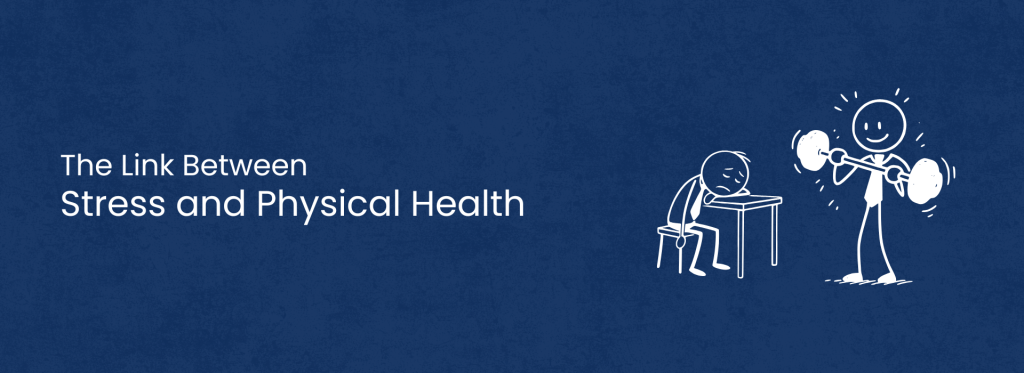
The Link Between Stress and Physical Health Stress is a normal part of life. Deadlines, responsibilities, and unexpected challenges can make anyone feel tense. While short-term stress can sometimes be motivating, constant or unmanaged stress can take a serious toll on both your mind and body. Understanding the connection between stress and physical health is the first step toward building a healthier lifestyle
The Importance of Therapy for Relationship Issues
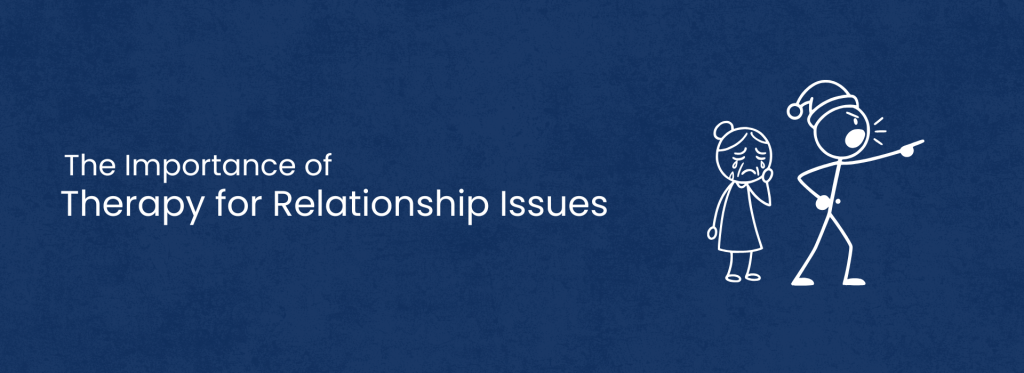
The Importance of Therapy for Relationship Issues Every relationship deserves a chance to heal, grow, and thrive. Explore how relationship therapy can bring clarity, connection, and lasting change to your partnership. The Importance of Therapy for Relationship Issues Introduction Every relationship experiences highs and lows. Whether it’s a romantic partnership or a marriage, misunderstandings, emotional distance, and conflicts are common. Over time, unresolved issues can create stress and damage the emotional connection between partners. This is where relationship therapy becomes an essential step toward rebuilding and strengthening the bond. Common Relationship Challenges Many couples face challenges that include poor communication, trust issues, lack of intimacy, or difficulty balancing personal and professional lives. These problems are natural, but when left unaddressed, they can lead to feelings of loneliness, frustration, or resentment. The goal of therapy is not to blame one partner, but to help both individuals understand each other better and find healthier ways to navigate their relationship. How Therapy Can Help Relationship therapy offers a safe space where both partners can openly express their feelings. A trained therapist acts as a neutral guide who helps identify patterns of behavior that may be causing conflict. Through therapy, couples can learn to improve their communication, resolve long-standing issues, and rebuild emotional intimacy. It also helps both individuals become more empathetic and patient toward each other. Debunking Common Myths There are still many misconceptions about couples therapy. Some people believe that therapy is only for married couples, or that seeking help means the relationship is about to end. In reality, therapy is for anyone who wants to build a stronger, healthier connection with their partner. Starting therapy doesn’t mean the relationship is failing. In fact, it shows commitment to growth and healing. Benefits of Relationship Therapy The benefits of therapy go far beyond resolving conflicts. Couples often report feeling more emotionally connected, gaining a deeper understanding of their partner, and being better equipped to handle future challenges. The tools learned in therapy can help couples not only in their current struggles but throughout their journey together. Taking the First Step If you and your partner feel disconnected or stuck, therapy might be the support you need. Taking that first step can be difficult, especially if one partner is hesitant. But remember, seeking help is a sign of strength and care—not weakness. At Beautiful Minds, we offer compassionate and personalized counseling for couples who want to grow together emotionally and mentally. Conclusion Healthy relationships don’t just happen—they require attention, effort, and the willingness to improve. Relationship therapy is a valuable investment in your emotional well-being and future happiness. If you’re ready to take that step, Beautiful Minds is here to guide and support you. Recent Blogs The Importance of Therapy for Relationship Issues How to Cope with Anxiety in the Workplace Why Therapy Is No Longer a Taboo: How Mental Health Awareness Is Changing Lives in 2025
How to Cope with Anxiety in the Workplace
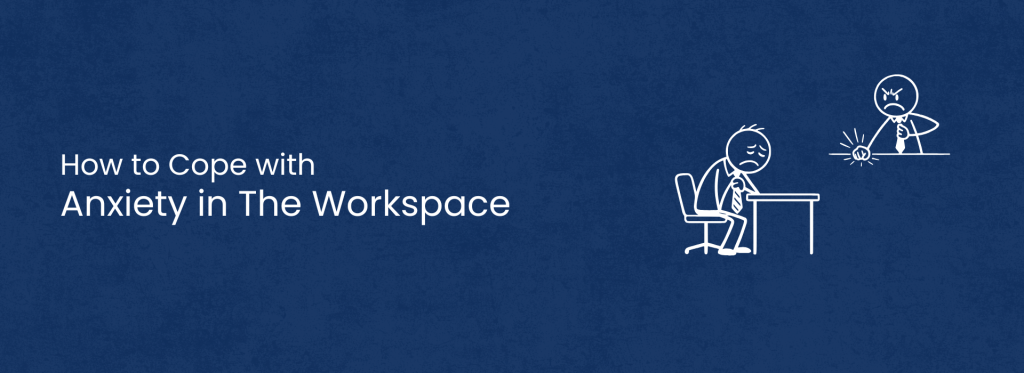
Struggling with anxiety at work? Work doesn’t have to feel overwhelming. Discover practical tools and compassionate support to manage workplace anxiety and reclaim your sense of control. Struggling with anxiety at work? Introduction In today’s professional world, the pressure to perform, meet deadlines, and manage expectations often leads to rising stress levels. For many people, this pressure turns into workplace anxiety, a condition that can significantly affect both mental well-being and job performance. If you often feel overwhelmed just thinking about work, you’re not alone. Understanding Workplace Anxiety Workplace anxiety is a form of chronic stress specifically related to your job. It may present itself in various ways, such as a racing heart before meetings, constant worry about making mistakes, or even physical symptoms like headaches and sleeplessness. The signs may also include overthinking your emails, feeling drained before the workday even begins, or experiencing a deep fear of interacting with colleagues or managers. What Causes Anxiety at Work? There are many causes of workplace anxiety. High workloads, unrealistic deadlines, toxic work environments, and a lack of support or job clarity are some of the most common. Sometimes, the fear of losing a job or constantly striving for perfection can also trigger anxious thoughts and behaviors. Understanding what’s triggering your anxiety is the first step toward managing it. Strategies to Manage Anxiety at Work One of the most effective ways to deal with anxiety is to practice mindfulness. Taking just five minutes in the morning to breathe deeply and ground yourself can help you face the day with a calmer mindset. Time management also plays a key role in reducing anxiety. Breaking tasks into smaller, manageable steps and allowing yourself short breaks can increase your productivity without overwhelming you. It’s also important to set boundaries. Learn to say no when your workload becomes too heavy. Protecting your time and energy isn’t selfish—it’s essential for mental balance. Open communication can help relieve the burden of anxiety. Talk to your manager or HR about what you’re experiencing. Many organizations are beginning to prioritize employee mental health and can offer resources or adjustments to your workload. On the physical side, reducing caffeine and sugar intake while staying hydrated can help minimize physical anxiety symptoms. When to Seek Professional Support If workplace anxiety begins to affect your daily life or interferes with your ability to work, it may be time to seek professional help. Therapy can provide you with tools and strategies tailored to your situation. At Beautiful Minds, our experienced therapists understand the challenges of workplace stress and can support you in finding lasting relief. Conclusion Remember, your career is just one part of your life, and it should not come at the cost of your peace of mind. Prioritizing your mental health is not a luxury—it’s a necessity. If you’re experiencing workplace anxiety, consider taking the first step toward healing by reaching out to a professional. Beautiful Minds is here to walk with you on your journey toward mental clarity and emotional strength. Recent Blogs How to Cope with Anxiety in the Workplace Why Therapy Is No Longer a Taboo: How Mental Health Awareness Is Changing Lives in 2025 How to Manage Work Stress in 2025: A Mental Health Guide for Professionals
Why Therapy Is No Longer a Taboo: How Mental Health Awareness Is Changing Lives in 2025
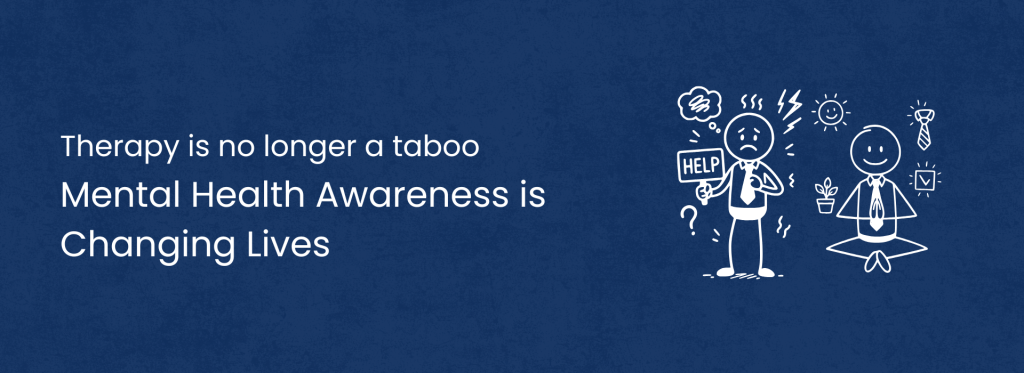
Why Therapy Is No Longer a Taboo: How Mental Health Awareness Is Changing Lives in 2025 Why Therapy Is No Longer a Taboo: How Mental Health Awareness Is Changing Lives in 2025 Introduction For a long time, the idea of going to therapy made many people feel uncomfortable. It was often seen as something meant only for those facing serious problems or emotional breakdowns. Because of that, a lot of people hesitated to open up or seek help, worried that others would judge them or think they were weak. But today, things are changing. More people are speaking up about their mental health and choosing therapy not just when things go wrong, but as a way to feel better, stay balanced, and grow emotionally. Therapy is becoming a normal and accepted part of everyday life. How People Think About Mental Health Has Changed People are beginning to understand that mental health is just as important as physical health. It is no longer limited to just dealing with depression or anxiety. Taking care of your mental well-being has become part of living a healthy and full life. In the last few years, we have seen more open conversations about mental health everywhere. Whether it is a social media post, a celebrity interview, or a chat between friends, people are becoming more honest about their feelings. This openness is encouraging others to speak up, seek help, and stop hiding their struggles. Therapy Shows Strength, Not Weakness One of the biggest myths about therapy is that it is only for people who cannot handle life. In reality, choosing to go to therapy shows strength and self-awareness. It takes courage to sit with your emotions, understand yourself better, and work through things that feel heavy. Therapy is not about fixing what is broken. It is about learning how to manage your thoughts and emotions in healthier ways. Whether you are feeling stressed, overwhelmed, lonely, or just a bit off, talking to a therapist can help you feel more in control and more connected to yourself. You Do Not Have to Wait for a Breakdown Many people still believe that therapy is a last resort. But the truth is, you do not need to wait until things feel unbearable. Therapy can be helpful even when things seem fine on the surface. It can give you tools to handle everyday stress, build better relationships, and feel more confident in yourself. Just like you would go to a doctor for a mild cough before it turns into something serious, it is okay to talk to someone when your mind feels uneasy. The earlier you reach out, the more you can prevent bigger problems from developing. A New Culture of Openness and Acceptance As more people talk about their mental health, the old shame around therapy is starting to fade. It is becoming normal to take a mental health day, to say you need a break, or to mention that you had a therapy session. These simple things help create a world where people feel safer and more supported. Every time someone chooses to speak up, it encourages others to do the same. We are building a culture where getting help is not just accepted, but encouraged. Beautiful Minds Is Here to Support You At Beautiful Minds, we believe everyone deserves access to kind, professional support. You do not need to go through tough times alone. Whether you are curious about therapy or ready to begin, we are here to listen and help. You deserve to feel heard, understood, and supported. Therapy is a step toward healing, growth, and peace of mind. If you feel ready to talk, we invite you to take the first step. Book Your Session Today Recent Blogs Why Therapy Is No Longer a Taboo: How Mental Health Awareness Is Changing Lives in 2025 How to Manage Work Stress in 2025: A Mental Health Guide for Professionals Understanding the Link Between Alzheimer’s and Depression
How to Manage Work Stress in 2025: A Mental Health Guide for Professionals
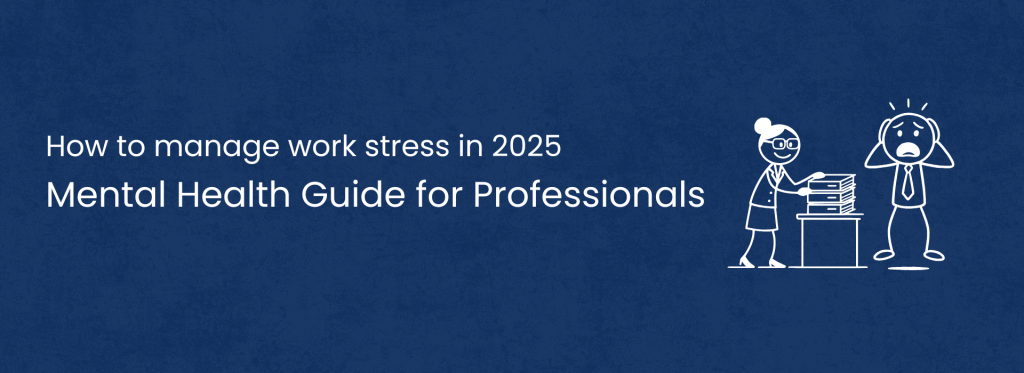
How to Manage Work Stress in 2025: A Mental Health Guide for Professionals How to Manage Work Stress in 2025: A Mental Health Guide for Professionals Introduction These days, work stress feels almost like a part of everyday life. Long hours, tight deadlines, endless meetings, and constant notifications can leave anyone feeling drained. If you’ve been feeling overwhelmed, anxious, or simply exhausted by work, you’re not alone. At Beautiful Minds, we understand how work can take a toll on your mental and emotional well-being. The good news is that stress can be managed with the right awareness, tools, and support. This guide will walk you through what’s causing your stress, how to recognize it early, and what steps you can take to feel better. Why Work Feels More Stressful Than Ever It’s not just about having too much on your plate. Work stress today comes from a mix of things. There’s the pressure to always be available, the expectation to perform at 100 percent all the time, and the difficulty of balancing work with personal life. Sometimes it’s also about unclear communication, lack of support, or even feeling like your work doesn’t get the appreciation it deserves. When all of this builds up, it’s no surprise that your mind and body start to feel the weight. And that’s exactly when stress starts to take over. How to Know If You’re Experiencing Stress Often, we push through stress without realizing how much it’s affecting us. But your body and mind usually send early warning signs. You may start feeling tired all the time, struggle to concentrate, or notice that your sleep is getting disturbed. Headaches, body aches, and irritability might show up more often too. Emotionally, you might feel disconnected, frustrated, or unmotivated. If you’re starting to feel this way regularly, it’s a sign that your mind needs a break and some care. Why Setting Boundaries Really Matters One of the best ways to deal with work stress is by drawing clear lines between work and personal time. That means switching off your emails after work, not answering late-night calls unless it’s urgent, and making sure you have time every day for yourself. It’s easy to get caught in a cycle of always being available, but setting boundaries actually helps you work better in the long run. It also shows others that your time and well-being are important. Give Yourself a Mental Reset Every Day Talking about what you’re feeling can be incredibly powerful. It helps you release the emotional pressure that builds up from stress. Whether it’s a friend, colleague, or therapist, sharing what’s on your mind can make you feel lighter and more supported. You don’t have to go through stress alone. Opening up is not a weakness — it’s a strength. When It’s Time to Get Professional Help If stress has been affecting your sleep, your mood, or your ability to function day to day, it’s important to talk to a mental health professional. Therapy gives you a safe space to understand what’s going on and learn healthy ways to cope. At Beautiful Minds, our team is here to support you without any judgment. Whether you’re going through a rough patch or just need someone to talk to, we’re ready to listen and help you feel better. You Deserve to Feel Good Again Work is important, but so is your peace of mind. You shouldn’t have to choose between success and your mental health. By being kind to yourself, setting limits, and reaching out when needed, you can handle stress in a way that feels healthy and sustainable. If you’re ready to take the next step, we’re here for you. Book a session with one of our experienced therapists or take a mental health screening at beautifulminds Recent Blogs How to Manage Work Stress in 2025: A Mental Health Guide for Professionals Understanding the Link Between Alzheimer’s and Depression Work Smarter, Not Harder: The Importance of Taking a Break
Understanding the Link Between Alzheimer’s and Depression
Understanding the Link Between Alzheimer’s and Depression Understanding the Link Between Alzheimer’s and Depression Introduction Alzheimer’s disease and depression are two distinct conditions, but they often coexist—especially in older adults. Many individuals with Alzheimer’s experience symptoms of depression at some stage of the disease. Understanding the link between Alzheimer’s and depression can help in early identification and timely mental health support. What Is Alzheimer’s Disease? Alzheimer’s is a progressive brain disorder that slowly destroys memory, thinking skills, and eventually, the ability to carry out simple tasks. It is the most common cause of dementia among older adults. What Is Depression? Depression is a mood disorder that affects how a person feels, thinks, and handles daily activities. It causes persistent sadness, hopelessness, and a lack of interest or pleasure in activities once enjoyed. How Are Alzheimer’s and Depression Connected? There are several ways in which these two conditions are linked: 1. Overlapping Symptoms Both Alzheimer’s and depression can cause: Memory problems Poor concentration Withdrawal from social activities Changes in sleep and appetite Because of this overlap, depression in people with Alzheimer’s often goes undiagnosed. 2. Depression as a Risk Factor for Alzheimer’s Research shows that long-term depression, particularly if untreated, may increase the risk of developing Alzheimer’s later in life. Chronic stress and inflammation caused by depression can affect brain health. 3. Depression as an Early Sign of Alzheimer’s In some individuals, depression may appear before other symptoms of Alzheimer’s. For example, someone who has no history of depression may suddenly develop it in their 60s or 70s, which could be an early indicator of cognitive decline. Challenges in Diagnosing Depression in Alzheimer’s Patients Identifying depression in people with Alzheimer’s is challenging because: They may not be able to express feelings of sadness or hopelessness. Symptoms like fatigue or irritability may be attributed to dementia. Standard depression screening tools may not be reliable. Mental health professionals often rely on observing behaviors such as: Social withdrawal Crying spells Increased agitation Changes in sleep patterns Why It’s Important to Treat Depression in Alzheimer’s Addressing depression in individuals with Alzheimer’s can: Improve their quality of life Reduce behavioral problems Enhance their ability to participate in daily activities Ease caregiver stress Treatment may include a combination of therapy, medication, and lifestyle changes. Cognitive behavioral therapy (CBT), music therapy, exercise, and social engagement are known to help. Supporting a Loved One If you’re caring for someone with Alzheimer’s and notice signs of depression, here’s what you can do: Observe changes in mood, behavior, or routine. Talk to their doctor or mental health counselor. Encourage them to stay physically and socially active. Create a calm and predictable environment. Be patient and kind, as communication may be difficult. Final Thoughts At Beautiful Minds Circle, we recognize the deep emotional toll Alzheimer’s and depression can take on individuals and their families. Timely mental health support can make a significant difference. If you or a loved one is facing symptoms of memory loss or depression, reach out to our compassionate counselors for guidance and care. Recent Blogs Understanding the Link Between Alzheimer’s and Depression Work Smarter, Not Harder: The Importance of Taking a Break How to Create a Structured Routine for Children With ADHD
