 Skip to content
What is Social Anxiety and How to Cope with It in Social Situations

What is Social Anxiety? How to Cope with It in Social Situations What is Social Anxiety? How to Cope with It in Social Situations Social anxiety is more than just feeling nervous before an event; it’s a constant fear of being judged or embarrassed in social situations. It’s that gnawing feeling that makes you second-guess everything you say and do. If you’ve ever worried about how you come across in a conversation or stressed over meeting new people, you’re not alone. Social anxiety is a real challenge, but with the right tools, you can learn how to overcome social anxiety and take back control. Preparing for Social Interactions: How to Ease the Anxiety Before Going Out Preparing for social interactions can be intimidating, but it doesn’t have to be overwhelming. One of the first steps to ease the anxiety before going out is to give yourself a confidence boost. Remind yourself that everyone has moments of self-doubt, and you’re not alone in feeling anxious. You can also reduce anxiety by planning ahead. If you’re attending a party or meeting new people, try to gather some information about the event or the people you’ll be meeting. This way, you won’t feel lost in the conversation. Lastly, practice relaxation techniques like deep breathing to calm your nerves and stop social anxiety from taking over. During Social Interactions: Techniques for Staying Calm and Focused Once you’re in the midst of a social interaction, it’s easy for anxiety to creep back in. But don’t worry! There are simple techniques to stay calm and focused. First, focus on your breath. Slow, steady breaths can ground you and keep your mind from spiralling. If you feel your mind racing, gently redirect your thoughts to the present moment. Try listening actively and asking questions—it’ll not only take the pressure off you, but it will also help you connect with others. Remember, everyone has their own insecurities, so it’s okay to be imperfect. The goal is not to have a perfect conversation but to engage and enjoy the moment. Dealing with Post-Social Anxiety: Managing Feelings After Social Events Social anxiety doesn’t always disappear after the event ends. Often, you might replay the interaction in your head, overthinking every word and action. This is a natural response, but it can be draining. To deal with post-social anxiety, try to practice self-compassion. Remind yourself that everyone experiences these feelings, and it’s okay not to be perfect. If you find yourself ruminating over small mistakes, counter those thoughts with positive affirmations about your efforts and strengths. Engage in an activity that relaxes you, like a walk or a hobby, to help shift your focus and let go of any lingering negative emotions. Setting Realistic Expectations: How to Gradually Overcome Your Fears The path to overcoming social anxiety and shyness is gradual, so be patient with yourself. Setting realistic expectations for your social interactions can help reduce the pressure you feel. Instead of striving for perfection, aim for progress. Start by challenging yourself with smaller social interactions and build up to more significant events. Each step you take, no matter how small, is a victory. Over time, you’ll begin to notice that the anxiety you once felt becomes easier to manage. If you’re finding it tough to conquer social anxiety on your own, reaching out to a therapist can be incredibly beneficial. A good therapist can provide tailored strategies to help you navigate social situations more confidently. Conclusion Social anxiety can feel overwhelming, but with the right strategies, you can learn to manage it and regain control of your social life. Whether you’re preparing for an event, handling anxiety during interactions, or processing feelings afterward, you have the power to make gradual progress. By setting realistic expectations and taking small steps forward, you’ll find that social anxiety becomes more manageable over time. Don’t forget—seeking support from a good therapist can make a big difference on your journey to conquering social anxiety.
The Connection Between Nutrition and Mental Well-Being: How Food Affects Your Mood & Cognitive Function

The Connection Between Nutrition and Mental Well-Being: How Food Affects Your Mood & Cognitive Function The Connection Between Nutrition and Mental Well-Being: How Food Affects Your Mood & Cognitive Function Have you ever noticed how your mood shifts depending on what you eat? Turns out, nutrition and mental health are closely linked. What you eat can impact everything from stress levels to cognitive function. Food doesn’t just fuel your body—it nourishes your brain. Eating nutrient-rich meals gives your mind the tools it needs to perform at its best. A balanced diet rich in antioxidants, healthy fats, and vitamins boosts mood, supports mental clarity, and enhances focus. Your brain is like an engine, and it requires high-quality fuel to run efficiently. Foods for brain health, such as leafy greens, berries, and nuts, support cognitive function and improve memory. On the flip side, processed foods and sugar-laden snacks can create a brain fog, making it harder to focus and manage stress. By swapping unhealthy foods for nutrient-dense options, you can boost mental clarity and emotional resilience. Essential Nutrients for Reducing Anxiety & Depression Anxiety and diet are intricately linked, with specific nutrients playing key roles in managing symptoms of anxiety and depression. Omega-3 fatty acids, found in foods like salmon and flaxseeds, reduce inflammation in the brain and stabilize mood. Magnesium, found in almonds, spinach, and avocados, works as a natural relaxant, easing tension and helping you manage stress. B vitamins (like B6 and B12) in whole grains, eggs, and legumes regulate mood and improve brain function. Elaichi (Cardamom): A Calming Addition to Your Diet Elaichi, also known as cardamom, can help improve mental health by reducing stress, anxiety, and depression. Drinking cardamom tea can help lower cortisol levels, the stress hormone, and its soothing aroma is known to calm the mind. In addition to its stress-relieving properties, cardamom also improves mood, enhances memory and concentration, and promotes better sleep. Its neuroprotective properties, along with the ability to increase serotonin levels, make it a powerful, natural mood booster. Kiwis: A Tangy Boost for Your Mental Health Kiwis, rich in vitamin C, are another food that can improve your mental health. They help increase energy and vitality by reducing fatigue, while also supporting mood regulation and alleviating symptoms of depression. The nutrients in kiwis aid in managing mood swings and boost the production of happy hormones, which can contribute to emotional balance and well-being. Don’t forget the power of vitamin D. Low levels of vitamin D have been linked to depression, and adding sunlight or foods like fortified milk and eggs can support mental health. Including these nutrients in your diet can help reduce anxiety and depression naturally, reducing the need for medication. A nutrient-rich diet is a proactive way to take charge of your mental well-being. How Corporate Cafeterias Can Encourage Brain-Boosting Foods Corporate cafeterias can play a huge role in improving workplace wellness. By offering foods that reduce anxiety and depression, businesses can encourage better mental health and boost employee productivity. Shifting toward brain-boosting foods helps employees feel energized, focused, and ready to take on the day. Incorporating more fruits, vegetables, whole grains, and lean proteins into the office menu supports mental well-being. Instead of sugary snacks or processed meals that lead to energy crashes, try introducing stress-reducing foods like dark chocolate, walnuts, and green tea. These foods lower cortisol levels and improve mood. Corporate cafeterias can create an environment that nourishes both body and mind, enhancing employee engagement and fostering a healthier workplace cultur Simple Diet Swaps for a Healthy Mindset To improve your diet and mental health, start with simple swaps. Replace refined grains with whole grains like whole wheat bread, brown rice, and quinoa. These provide fiber and help stabilize blood sugar, which is essential for maintaining a balanced mood. Instead of sugary snacks, opt for brain-boosting foods like berries, nuts, or seeds. Switch unhealthy fats for healthy ones. Avocados, olive oil, and fatty fish are rich in omega-3s, which help fight depression and improve brain function. Reducing processed foods and adding more fresh produce to your meals improves cognitive function and reduces anxiety. Small changes, like adding leafy greens or swapping soda for water or herbal tea, can make a significant difference in how you feel. Conclusion Maintaining a balanced diet is crucial for both physical and mental health. By making mindful choices and incorporating nutrient-rich foods into your routine, such as cardamom for stress relief or kiwis to boost energy and mood, you can improve mental clarity, reduce stress, and boost your mood. Remember, what you eat impacts both your body and mind. So, next time you’re preparing a meal, think about how it will nourish your mental well-being too. From the essential nutrients that reduce anxiety and depression to brain-boosting foods for workplace wellness, taking care of your mental health through nutrition is easier than you think If you’re ready to learn more about how food can positively impact your well-being, or if you’re interested in personalized nutrition advice for better mental health, we’re here to help! Whether you’re looking to revamp your diet at home, or you’re a business aiming to improve employee wellness, we offer expert guidance to help you achieve your goals.
Social Media and Mental Health: Navigating the Fine Line
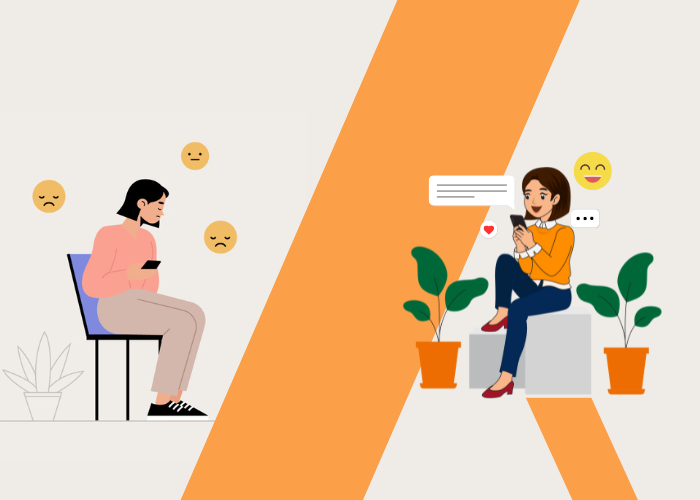
Social Media and Mental Health: Navigating the Fine Line Social Media and Mental Health: Navigating the Fine Line Social media is everywhere, offering entertainment and connection. But have you thought about its impact on mental health? The effects of social media on mental health can be both uplifting and damaging. Understanding this balance is key to staying healthy while staying connected. Let’s explore the fine line between the good and bad of social media and how to use it mindfully. Positive vs. Negative Effects on Psychological Well-Being Social media can boost your psychological well-being when used intentionally. It keeps you connected to friends, helps you learn new skills, and offers moments of joy. A supportive comment or a shared laugh can brighten your day and make you feel less alone. However, Negative effects emerge when it becomes a comparison trap or a source of distraction. The trick is to use social media intentionally and avoid mindless scrolling.Social Media as a Tool for Connection, Not Comparison Social Media as a Tool for Connection, Not Comparison Social media is great when it connects you to loved ones or positive communities. But when you start comparing yourself to influencers’ perfect photos or someone else’s achievements, it can damage your mental health. Keep this in mind: social media is not reality. What you see online is heavily filtered and curated. Instead of comparing, focus on using social media for uplifting interactions. Join groups that align with your passions, follow accounts that inspire you, and remember to celebrate your own journey. This mindset shift can reduce the negative effects of social media on mental health. Early Signs of Social Media Addiction Struggling to put your phone down? That could be an early sign of social media addiction. Spending excessive time online, feeling stressed when disconnected, or neglecting responsibilities are all red flags. The impact of social media on mental health of students and adults often begins with these small signs. Break the cycle by tracking your usage, setting screen time limits, and replacing scrolling with hobbies or outdoor activities. Awareness is the first step to taking back control. Counseling Support for Managing Online Habits If social media feels overwhelming, counseling can help. Professional guidance can identify harmful patterns, set boundaries, and improve your psychological well-being. Counselors also teach mindfulness techniques that reduce stress and promote healthier digital habits. Even without counseling, small actions like journaling your feelings about social media or practicing mindfulness can help. Turning off notifications, prioritizing offline time, and focusing on positive content are also effective ways to manage the effects of social media on mental health. Final Thoughts Social media offers connection but also challenges. By using it intentionally, avoiding comparisons, and seeking help when needed, you can enjoy the benefits without compromising your mental health
Finding Calm: Practical Tips to Manage Anxiety
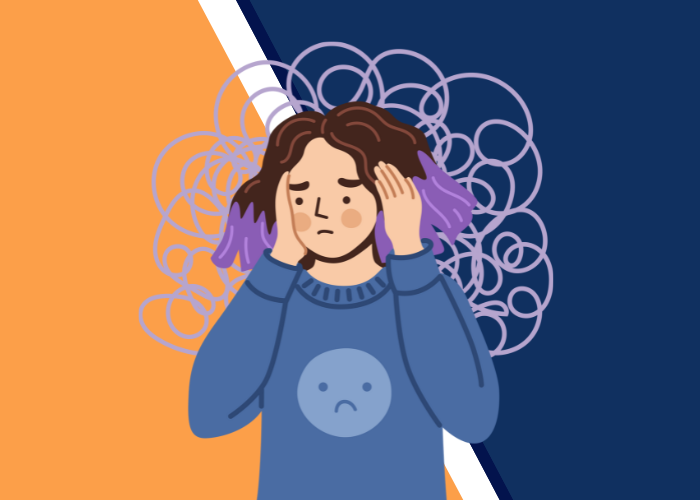
Finding Calm: Practical Tips to Manage Anxiety Finding Calm: Practical Tips to Manage Anxiety Anxiety can feel like an overwhelming storm cloud, hovering and casting shadows on your daily life. The good news? There are practical strategies to help you regain control and foster a sense of calm. Let’s dive into effective techniques to overcome anxiety and achieve a more peaceful state of mind. Understanding Anxiety What is Anxiety? Anxiety is your body’s natural response to stress. It’s a feeling of fear or apprehension about what’s to come. While mild anxiety is normal, persistent feelings can interfere with daily activities. Symptoms of Anxiety Rapid heartbeat Excessive worrying Difficulty concentrating Sleep disturbances Practical Tips for Managing Anxiety 1. Practice Deep Breathing Breathing exercises help calm your nervous system. Try the 4-7-8 technique: inhale for 4 seconds, hold for 7 seconds, and exhale for 8 seconds. It’s a simple yet powerful way to reduce anxiety in the moment. 2. Stay Active Physical activity releases endorphins, which are natural stress relievers. A brisk walk, yoga session, or even dancing to your favorite song can help. 3. Focus on the Present Anxiety often stems from worrying about the future. Practice mindfulness or meditation to ground yourself in the present. Apps like Headspace or Calm can guide you through these exercises. 4. Maintain a Healthy Lifestyle Eat Balanced Meals: Include foods rich in omega-3 fatty acids, like salmon and walnuts, which support brain health. Limit Caffeine and Alcohol: These can exacerbate anxiety symptoms. Prioritize Sleep: Create a calming bedtime routine to improve sleep quality. 5. Challenge Negative Thoughts Replace catastrophic thinking with more balanced perspectives. Ask yourself, “What’s the worst that could happen? How likely is it to occur?” 6. Build a Support System Talking to someone you trust can lighten your emotional load. Whether it’s a friend, family member, or therapist, sharing your feelings is therapeutic. 7. Schedule “Worry Time” Set aside 15 minutes daily to acknowledge and address your worries. This prevents them from consuming your entire day. When to Seek Professional Help If anxiety significantly disrupts your life, consider reaching out to a mental health professional. Therapies like Cognitive Behavioural Therapy (CBT) and medication can provide relief. Conclusion Overcoming anxiety is a journey, not a sprint. With persistence and the right strategies, you can manage its grip and foster a calmer, more fulfilling life. Start small, be consistent, and celebrate every step forward. FAQs Can anxiety be cured completely? Anxiety may not completely disappear, but it can be effectively managed with the right techniques and support. Are there natural remedies for anxiety? Yes, herbal teas like chamomile, aromatherapy, and mindfulness practices can help reduce anxiety. How long does it take to see improvement? The timeline varies. Consistent effort with proven techniques can show results in a few weeks. Can children experience anxiety? Absolutely. Children may show anxiety through excessive clinginess, tantrums, or trouble sleeping. What’s the role of diet in managing anxiety? A diet rich in whole foods, including fruits, vegetables, lean proteins, and healthy fats, can positively impact mental health.
New Year, New Mindset: Prioritizing Mental Health in 2025

New Year, New Mindset Prioritizing Mental Health in 2025 New Year, New Mindset Prioritizing Mental Health in 2025 As we welcome 2025, it’s time to focus on a vital resolution: prioritizing mental health in 2025. In a world that often feels like it’s moving at warp speed, maintaining a healthy mindset is essential for navigating the challenges of modern life. Let’s explore why mental health matters and how you can make it a priority this year. Understanding the Importance of Mental Health : Prioritizing Mental Health in 2025 Why Mental Health Matters More Than Ever The pressures of daily life—be it work, relationships, or social expectations—can take a toll on mental health. When neglected, mental health issues can affect every aspect of your life, from productivity to personal happiness. The Ripple Effects of Mental Health on Daily Life Good mental health enhances decision-making, improves relationships, and fosters resilience in tough times. Conversely, poor mental health can manifest in physical symptoms like fatigue, headaches, and even chronic illnesses. Common Mental Health Challenges in Today’s World Anxiety, depression, and burnout have become alarmingly common. Factors like digital overload and the lingering effects of global crises have amplified these issues. Setting the Foundation for a Healthier Mindset A growth mindset helps you view challenges as opportunities rather than obstacles. It’s about embracing change and continuously learning. Letting Go of Toxic Habits Toxic habits, such as negative self-talk or unhealthy comparisons, can drag you down. Replace them with positive affirmations and realistic self-expectations. Building Emotional Resilience Resilience isn’t about avoiding problems but learning to bounce back from them. Techniques like reframing negative thoughts and practicing gratitude can build emotional strength. Embracing the Concept of a Growth Mindset The Role of Nutrition in Mental Health The food we consume has a direct impact on brain function. A diet rich in omega-3 fatty acids, vitamins, and minerals supports cognitive function and emotional well-being. Incorporating foods like leafy greens, nuts, seeds, and fish into daily meals can significantly boost mental clarity and mood. Small Actions, Big Impact Mental health improvements do not always require monumental changes. Small, consistent actions—like practicing gratitude, limiting screen time, and engaging in creative activities— can lead to substantial benefits over time. Every effort counts when it comes to mental wellbeing. Looking Ahead: A Healthier, Happier You As we embrace 2025, let’s commit to making mental health a priority. By taking proactive steps, seeking support, and fostering a culture of care, we pave the way for a more balanced, fulfilling life. This year is not just about setting resolutions but about transforming mindsets and building sustainable habits for lasting well-being.
Beating the Winter Blues: Tips to Stay Positive and Motivated

Beating the Winter Blues: Tips to Stay Positive and Motivated Psychologist View The cold season can indeed have a significant impact on our mood and mental health, contributing to conditions like Seasonal Affective Disorder (SAD). This is a type of depression that typically occurs in the winter months when there is less sunlight. While SAD is more common in northern latitudes and places with shorter days, its effects can still be felt in countries with varying climates, including India. Even though we might not have a high rate of SAD in India, many people do experience a dip in mood during the colder months. The lack of sunlight, shorter days, and a general feeling of being “cooped up” indoors can contribute to a sense of lethargy or sadness. This is especially true if people avoid going outside or feel that dressing warmly is a sign of weakness. Here are a few tips to stay motivated and maintain a positive mindset, even during colder weather: 1. Stay Warm and Comfortable Wearing warm clothes isn’t a sign of weakness; it’s a way of protecting your body and ensuring good circulation. Proper warmth helps prevent stiffness and keeps your energy levels up. 2. Use Heaters Wisely A heater can help maintain a comfortable indoor temperature, especially in cold climates. This makes it easier to stay active and productive, rather than feeling sluggish or too cold to move. 3. Get Moving Exercise, even a 30-minute walk, can make a big difference in your mood. Physical activity boosts endorphins, which are natural mood lifters. It also helps combat the lethargy that comes with winter. 4. Sunlight Exposure Try to get outside during daylight hours, even if it’s just for a short walk. Natural light is essential for regulating your circadian rhythm and maintaining your mental health. 5. Hydrate with Warm Drinks Drinking warm beverages like tea with cardamom can help boost your mood. Cardamom has mood-enhancing properties and can also help with digestion, making you feel more relaxed and grounded. 6. Stay Social Don’t isolate yourself just because the weather is colder. Stay connected with friends and family, even if it’s through virtual means. Social interaction is a powerful tool for combatting feelings of loneliness or sadness. 7. Prioritize Self-Care Make time for activities that bring you joy and relaxation, such as reading, journaling, or practicing mindfulness. Taking care of your emotional well-being is as important as physical health. By focusing on self-care, staying warm, and keeping active, you can ensure that the cold season doesn’t negatively affect your mood. Remember, it’s okay to feel low sometimes, but by recognizing these factors and taking action, you can stay motivated and maintain your mental well-being throughout the year.
Prevalence and Types of Mental Health Disorders in India

Prevalence and Types of Mental Health Disorders in India India, with its vast population of over 1.4 billion, is no stranger to the rising tide of mental health disorders. Despite growing awareness and government efforts, the challenges posed by mental health issues remain daunting. This article explores the prevalence, types, and impact of mental health disorders in India, alongside strategies for intervention and solutions. Understanding the Scope of Mental Health Disorders in India According to a report by the World Health Organization (WHO), India contributes nearly 15% of the global mental health burden. A 2017 study in The Lancet revealed that approximately 197.3 million Indians were affected by mental disorders, with 45.7 million suffering from depressive disorders and 44.9 million from anxiety disorders. Key factors contributing to this increase include: Urbanization and Lifestyle Changes Rapid urban growth and work-related stress are key drivers of anxiety and depression Social Stigma A pervasive lack of understanding and stigma surrounding mental health discourages people from seeking help. Healthcare Access Gaps The country faces a significant shortage of mental health professionals, with only 0.75 psychiatrists per 100,000 people. Age and Gender Disparities Adolescents Over 7.3% of Indian adolescents aged 13-17 years suffer from mental health conditions, with depression, anxiety, and eating disorders being common. Women Gender-specific challenges such as domestic violence, postpartum depression, and societal expectations make women more vulnerable. Elderly Conditions such as dementia and depression are prevalent among older populations due to isolation and chronic illnesses. Common Types of Mental Health Disorders in India Depression Depression is one of the most common mental health disorders, affecting over 56 million Indians. It is characterized by persistent sadness, loss of interest, and reduced energy levels. If untreated, it can lead to severe outcomes, including suicidal tendencies. Key Symptoms: – Feelings of worthlessness or guilt. – Sleep disturbances. – Difficulty concentrating or making decisions Anxiety Anxiety disorders impact approximately 38 million Indians. These disorders include generalized anxiety, panic attacks, and phobias. Types of Anxiety Disorders: – Generalized Anxiety Disorder (GAD): Persistent and excessive worry. – Social Anxiety Disorder: Fear of social situations. – Obsessive-Compulsive Disorder (OCD): Repetitive thoughts and behaviors. Bipolar Disorder Bipolar disorder affects over 12 million people in India. It is characterized by alternating periods of mania (extreme highs) and depression. Key Characteristics: – Mood swings ranging from elation to despair. – Impulsive or risky behavior during manic phases. – Low energy and withdrawal during depressive episodes. Schizophrenia With a prevalence rate of about 4.3 per 1,000 people, schizophrenia significantly impairs cognitive and emotional functioning. Symptoms include: – hallucinations – delusions – disorganized speech. Substance Use Disorders Substance use, including alcohol and drug abuse, is a growing concern. Men between 20-40 years are the most affected demographic, with rising cases of opioid and cannabis addiction. Contributing Factors: – Peer pressure. – Stress and unemployment. – Easy availability of substances. Post-Traumatic Stress Disorder (PTSD) PTSD often results from traumatic experiences such as abuse, accidents, or natural disasters. Individuals with PTSD experience flashbacks, nightmares, and severe anxiety. Eating Disorders Although underreported, eating disorders like anorexia nervosa and bulimia are increasing, especially among urban youth. Social media and beauty standards contribute to this trend.
All About Bipolar Disorder and Substance Abuse

All About Bipolar Disorder and Substance Abuse Understanding Bipolar Disorder: An Overview Bipolar disorder, a complex mental health condition, is characterized by intense mood swings that include episodes of mania and depression. These dramatic shifts can significantly impact an individual’s ability to manage daily activities, maintain relationships, and sustain employment. According to the World Health Organization, bipolar disorder affects millions globally, making awareness and management crucial. Manic episodes may include symptoms like heightened energy, euphoria, impulsiveness, and decreased need for sleep. On the other hand, depressive episodes are marked by prolonged sadness, hopelessness, fatigue, and suicidal thoughts. Without proper treatment, these cycles can worsen, leading to severe complications, including a heightened risk of substance abuse. The Connection Between Bipolar Disorder and Substance Abuse Substance abuse is alarmingly common among individuals with bipolar disorder. Studies suggest that nearly 60% of people with bipolar disorder engage in some form of substance abuse during their lifetime. This co-occurrence is referred to as dual diagnosis and presents unique challenges in treatment and management. The relationship between bipolar disorder and substance abuse is bidirectional. For some, substances like alcohol or drugs serve as a way to self-medicate symptoms of mania or depression. Conversely, chronic substance abuse can exacerbate the symptoms of bipolar disorder, creating a vicious cycle of dependence and worsening mental health. Factors Contributing to Co-Occurrence Biological Factors Genetic predisposition and neurotransmitter imbalances are thought to play a significant role. Emotional Triggers Feelings of guilt, isolation, or failure during depressive episodes often lead to substance misuse as a coping mechanism. Social Influences Peer pressure and environmental stressors can aggravate the tendency to turn to substances for relief. Commonly Abused Substances Among Bipolar Individuals Certain substances are more frequently abused by individuals with bipolar disorder due to their perceived effects on mood stabilization or euphoria. Alcohol Often used to numb emotional pain but can worsen depressive episodes and impair judgment during mania. Stimulants (Cocaine, Amphetamines) These are often misused during depressive episodes to combat lethargy but can trigger manic episodes. Marijuana While sometimes perceived as harmless, it can disrupt emotional stability and exacerbate bipolar symptoms. Prescription Drugs Misuse of sedatives or painkillers can lead to dependency and worsen overall health. Challenges in Treating Bipolar Disorder with Co-Occurring Substance Abuse Dual diagnosis presents significant hurdles in achieving effective treatment outcomes. One of the primary challenges is distinguishing between symptoms of bipolar disorder and substance-induced mood changes. This complexity requires a comprehensive, integrated approach that addresses both conditions simultaneously. Key Treatment Barriers Delayed Diagnosis Symptoms of substance abuse often mask bipolar disorder, delaying accurate diagnosis Compliance Issues Individuals may struggle to adhere to prescribed treatments due to substance dependency Stigma and Isolation Many individuals avoid seeking help due to fear of judgment, worsening their condition Integrated Treatment Approaches Effective treatment for individuals with bipolar disorder and substance abuse must be holistic, addressing both mental health and addiction simultaneously. Below are the essential components of a successful treatment plan. 1. Psychotherapy Psychotherapy plays a vital role in addressing the root causes of both bipolar disorder and substance abuse. Techniques such as Cognitive Behavioral Therapy (CBT) help patients identify triggers, manage cravings, and develop healthier coping mechanisms. 2. Medication Management Medications such as mood stabilizers (e.g., lithium, valproate) and antipsychotics are commonly prescribed to manage bipolar symptoms. When addressing substance abuse, medications like naltrexone or acamprosate may be introduced to reduce cravings and prevent relapse. However, close monitoring is essential to avoid potential interactions. 3. Dual Diagnosis Rehabilitation Programs Specialized rehab programs cater specifically to individuals with co occurring conditions. These programs provide a structured environment that combines medical treatment, counseling, and life skills training. 4. Support Groups Support groups such as Alcoholics Anonymous (AA) and Bipolar Support Alliance offer a safe space for individuals to share experiences, gain insights, and build a supportive network. 5. Lifestyle Modifications Adopting a healthy lifestyle can significantly improve outcomes. Key recommendations include: – Maintaining a consistent sleep schedule to regulate mood. – Avoiding triggers such as alcohol and caffeine. – Practicing mindfulness and relaxation techniques. The Importance of Ongoing Support Recovery from bipolar disorder and substance abuse is a lifelong journey that requires continuous support. Regular follow-ups with mental health professionals, adherence to treatment plans, and maintaining a robust support network are key to sustained recovery. Conclusion The intricate relationship between bipolar disorder and substance abuse underscores the need for comprehensive and integrated care. By understanding the complexities of this dual diagnosis and utilizing targeted treatment approaches, individuals can achieve improved mental health and regain control of their lives.
Overcoming Burnout: Strategies for Professionals and Students

Overcoming Burnout Strategies for Professionals and Students Overcoming Burnout Strategies for Professionals and Students Burnout has become an all-too-common issue, impacting both professionals and students. It manifests as emotional exhaustion, decreased productivity, and a loss of motivation, stemming from prolonged periods of unrelenting stress. Addressing this challenge requires a deep understanding of its causes and the implementation of strategies that support mental and physical well-being. Understanding the Causes of Burnout Burnout often arises when stress remains unmanaged over a long time. For professionals, it might stem from excessive workloads, tight deadlines, and insufficient support at the workplace. For students, the academic pressure of tests, projects, and maintaining extracurricular activities creates a similar burden. Recognizing signs such as chronic fatigue, irritability, and feelings of detachment is crucial to preventing further decline. The Effects of Burnout on Health The impact of burnout extends beyond decreased productivity. It significantly affects mental and physical health, leading to conditions like anxiety, depression, and physical symptoms such as sleep disturbances, frequent illnesses, and persistent fatigue. If left unchecked, burnout can cause long-term damage, making it essential to intervene early. Self-Care: The Foundation of Burnout Recovery One of the most effective ways to combat burnout is by prioritizing self-care. Adequate sleep is foundational, as the body and mind need proper rest to function optimally. A healthy diet that includes whole foods, fruits, and vegetables supports energy levels and overall mental clarity. Physical activity is equally vital; even a daily walk can release endorphins that help counter stress and improve mood. Setting Boundaries and Managing Commitments Setting boundaries is another powerful way to reduce burnout. Overcommitment and perfectionism often drive individuals to take on more than they can handle. Learning to say no to extra responsibilities, managing time effectively, and setting defined work hours can make a significant difference. Professionals should resist checking emails or completing tasks after hours, while students can benefit from structured study schedules to balance their workload. Building a Support Network Building a support system is crucial during burnout recovery. Talking to a therapist or counselor can provide valuable tools to navigate overwhelming situations. Joining a support group or connecting with peers who share similar challenges can also be therapeutic. Additionally, for students, mentors or academic advisors can offer guidance and practical solutions to ease academic pressures. The Importance of Taking Breaks Taking breaks is essential to recharge both the mind and body. Scheduling regular intervals of rest during work or study, such as following the Pomodoro technique, helps prevent fatigue. Practices like mindfulness meditation, yoga, or deep breathing exercises also help manage stress and restore focus. Strategies for Professionals to Combat Burnout For professionals, a sustainable work environment is vital to mitigating burnout. Delegating tasks efficiently allows for workload distribution and helps avoid unnecessary stress. Advocating for change within the workplace, such as suggesting flexible work schedules or wellness programs, can improve conditions for everyone. Finding ways to integrate personal interests with professional responsibilities, like listening to an audiobook during a commute, can also create a healthier work-life balance. Strategies for Students to Manage Stress Students, on the other hand, must focus on balancing academic demands with personal life. Organizing study schedules according to energy levels and breaking projects into smaller tasks prevents last-minute stress. Universities often provide resources like mental health support and academic advising; taking advantage of these can build a strong foundation of support. Overcoming procrastination by setting manageable goals and rewarding progress can also help students stay on track. Building Resilience to Prevent Burnout Preventing burnout involves cultivating resilience and adopting habits that sustain mental well-being. Practicing gratitude shifts the focus from challenges to positives, creating a more optimistic outlook. Maintaining strong relationships with family and friends provides emotional support during difficult times. Lastly, embracing adaptability and learning to navigate setbacks without self-criticism can foster long-term growth and stability. In conclusion, burnout, though challenging, is not insurmountable. By understanding its triggers and adopting these strategies, both professionals and students can reclaim their energy and motivation. Prioritizing well-being is not just beneficial but essential for a fulfilling life.
Mindfulness and Its Benefits for Mental Health

Mindfulness and Its Benefits for Mental Health In an era where stress, anxiety, and mental health challenges are increasingly prevalent, mindfulness has emerged as a powerful tool to improve mental health. Mindfulness, a practice rooted in ancient traditions, has gained substantial attention for its proven benefits on emotional and psychological well-being. By enhancing awareness, reducing stress, and fostering emotional resilience, mindfulness can significantly contribute to mental health. In this comprehensive article, we delve into the concept of mindfulness, how it works, and the manifold ways it benefits mental health. What is Mindfulness? Mindfulness is the practice of paying attention to the present moment without judgment. It involves observing one’s thoughts, feelings, and sensations as they arise without trying to change or suppress them. By cultivating a heightened state of awareness, mindfulness helps individuals experience life in a way that’s less reactive and more intentional. The core objective of mindfulness is to foster an accepting and non-judgmental relationship with oneself and one’s experiences. Originating from Buddhist practices, mindfulness has been adapted into therapeutic settings, such as Mindfulness-Based Stress Reduction (MBSR) and Mindfulness-Based Cognitive Therapy (MBCT), and is now recognized by psychologists as a critical component of mental wellness. The Science Behind Mindfulness and Mental Health Numerous scientific studies have demonstrated how mindfulness positively affects brain function and mental health. Practicing mindfulness activates the prefrontal cortex—the brain region associated with planning, problem solving, and emotional regulation. Additionally, it reduces the activity in the amygdala, which is responsible for the body’s fight-or-flight response. By altering the brain’s pathways, mindfulness helps the brain become less reactive to stressors and more focused on productive thoughts. Regular mindfulness practice is associated with increased grey matter density in the brain, which contributes to emotional regulation, improved memory, and enhanced cognitive functions. The neuroplasticity of the brain allows for these structural changes, making mindfulness a scientifically backed method for improving mental health. Key Benefits of Mindfulness for Mental Health Reduces Stress and Anxiety Mindfulness is highly effective in stress reduction. By focusing on the present moment, mindfulness reduces rumination—endless cycles of negative thoughts—that fuel anxiety. Through mindful breathing and body awareness, individuals can achieve a state of calm that counteracts the body’s stress response. Studies have shown that practicing mindfulness significantly lowers cortisol levels, the hormone responsible for stress. Enhances Emotional Regulation Mindfulness fosters a more balanced emotional state by teaching individuals to observe their emotions without judgment. By practicing self-compassion and emotional awareness, people can respond to emotional triggers more constructively. This can prevent the escalation of negative emotions and encourage healthier coping mechanisms. Individuals who engage in regular mindfulness practices report lower levels of depression, as mindfulness enables them to handle challenging emotions with greater ease. Improves Focus and Concentration A wandering mind is often linked to stress, dissatisfaction, and anxiety. Mindfulness enhances attention span and improves the ability to concentrate on tasks. By training the brain to focus on the present, mindfulness practitioners experience increased productivity and a sense of accomplishment. In fact, studies suggest that just a few minutes of mindfulness meditation each day can significantly boost concentration and cognitive performance over time. Boosts Self-Awareness and Insight One of the lesser-known benefits of mindfulness is its impact on selfawareness. By encouraging introspection and acceptance, mindfulness allows individuals to understand their thought patterns, identify harmful habits, and take steps toward personal growth. Self-awareness gained through mindfulness leads to greater self-acceptance and self-compassion, which are essential for mental health. Aids in Reducing Symptoms of Depression Mindfulness-Based Cognitive Therapy (MBCT) is widely used to treat depression. By cultivating awareness and acceptance of one’s thoughts and emotions, MBCT reduces the recurrence of depressive episodes. Through mindful practices, individuals learn to break free from negative thought cycles, which are often the root cause of depression. This empowers people to gain control over their mental state, reducing symptoms and preventing relapses. Enhances Resilience and Coping Skills Mindfulness improves resilience by encouraging individuals to approach life’s challenges with a calm and composed mind. By building emotional resilience, mindfulness helps individuals handle setbacks without being overwhelmed by stress or negative emotions. This resilience extends to everyday life, enabling people to navigate challenges with a balanced and resilient mindset. Final Thoughts on the Benefits of Mindfulness for Mental Health The benefits of mindfulness extend far beyond temporary relief from stress. By enhancing emotional resilience, promoting self-awareness, and fostering a positive mental state, mindfulness is a powerful tool for improving mental health. Practicing mindfulness empowers individuals to navigate life’s challenges with grace and clarity, making it an invaluable addition to any mental health toolkit.
